「Decolonize Futures —複数形の未来を脱植民地化する」は、日本/東アジアにおける植民地主義の根深さ・脱植民地化の必要性についての議論を行い、複数形の未来の可能性を作るためのZINEプロジェクト。|“Decolonize Futures” is a ZINE project to open up the discussion of the deep history of colonialism and the need of decolonization in Japan and East Asia for the possibilities of plural futures.
-
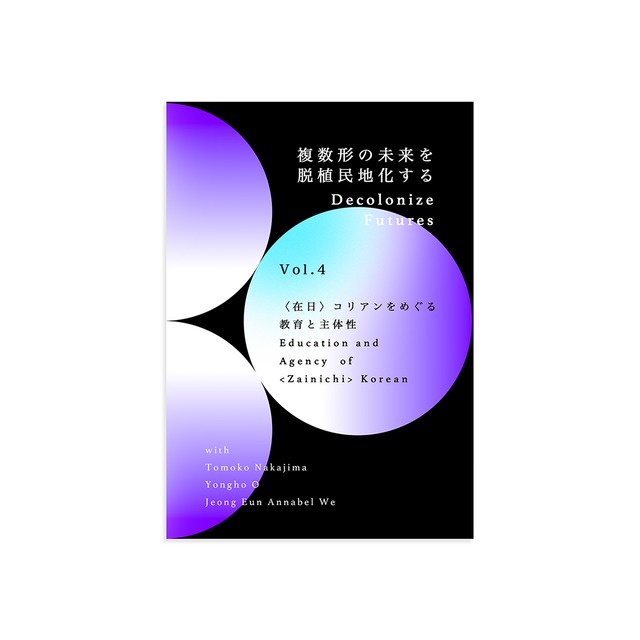
Vol. 4 『〈在日〉コリアンをめぐる教育と主体性|Education and Agency of <Zainichi> Korean』
JPY 2,200(USD 13.99)
Vol. 4『〈在日〉コリアンをめぐる教育と主体性|Education and Agency of <Zainichi> Korean』 日本社会において、在日コリアンや外国籍を持つ人々はどのようにして制度的な差別に抗い、自らやコミュニティの主体性を形作ってきたのか。 Decolonize Futures Vol. 4では、在日コリアンの教育から を手がかりに、日本社会における制度的排除と未清算の歴史を見つめ、そして国家という枠組みに捉われない脱植民地化の可能性に向き合うインタビュー、コラムを掲載しています。 インタビューでは、各地の朝鮮学校を訪れ調査してきた中島智子さん(元プール学院大学教授)、自身も教育を受け朝鮮学校の教育史を研究する呉永鎬さん(鳥取大学准教授)、朝鮮半島・環太平洋における脱植民地思想を研究するJeong Eun Annabel Weさん(ノースウェスタン大学助教授)にそれぞれお話を伺いました。そして、ウトロ平和祈念館の資料から、ウトロ地区で行われた民族教育の実践、教育を守るために行われた闘争について考えます。 教育をめぐる抵抗の歴史と、そこに刻まれてきた痛み。そして、過去から続く未来をどのように想像できるのか。Vol. 4は、その問いを今を生きる私たち自身の問題として読み直す試みとなります。 How have Zainichi Koreans and citizens of foreign nationality resisted institutional discrimination while shaping their own agency and that of their communities? Decolonize Futures Vol. 4 explores the history of institutional exclusion and unresolved colonial legacies in Japanese society through the lens of Zainichi Korean education. Bringing together interviews and a column, this issue examines the possibilities of decolonization that resists the framework of the nation-state. The issue features interviews with Tomoko Nakajima (former Professor at Poole Gakuin University), who has conducted extensive fieldwork at Chōsen gakkō across Japan; Yongho O (Associate Professor at Tottori University), a scholar of the history of Chōsen gakkō who also received his own education there; and Jeong Eun Annabel We (Assistant Professor at Northwestern University), whose research explores decolonial thought across Korea and the transpacific. In the column, we examine the history of ethnic education in the Utoro district and the struggles, drawing on archival materials from the Utoro Peace Memorial Museum. How might we face the history of resistance surrounding education and the pain inscribed within it, and imagine futures that extend from the past? Vol. 4 is an attempt to engage with this question as issues that belong to us, here and now. ・全186ページ ・2200円(税込)数量限定 ・販売:BASE、書店での取扱(詳細はプロフィール参照) ・発送:日本国内のBASEご購入分は7月21日から発送 ・予約:購入はプロフィールのリンクへ ・186 pages ・2200 yen (Tax included) Limited copies ・Sales: BASE & Bookstores ・Shipment: We will ship domestic orders after July 21. ※今号は、これまでのVolumeと比べて約2倍のページ数を収録しており、制作・印刷コストの増加に伴い、価格を2200円に改定しています。 This issue contains approximately twice as many pages as our previous volumes. Due to increased production and printing costs, the price has been revised to ¥2,200.
-

デジタル版/digital version・Vol. 3『アイヌと脱/植民地化 | Ainu and De/colonization』
JPY 800(USD 5.09)
【デジタル版/digital version】 今日の日本社会では、アイヌの人びとや文化を、SDGs推進やダイバーシティ・環境問題への取り組みの中で記号化・商品化し、市場において消費する植民地主義的構造が存在しています。 消費はマーケットの中のみならず、アイヌ文化や伝統を学術的や知的に考え論じる際にも、歴史的な差別や植民地主義による貧困、そしてその中でアイヌの人びとの身体が傷つけられ命が失われた事実を見過ごし、思想としてアイヌを消費してしまうことにも及びます。 また、植民地主義について考える際に、殖民者/被植民者、当事者/非当事者、加害者/被害者といった二元論的なフレームワークで語ることにより、その二元論から抜け落ちてしまう人びとの生や複雑な現実が不可視化されてしまいます。 「アイヌと脱/植民地化」と題したVol. 3では、北海道大学 アイヌ・先住民研究センター准教授で自身もアイヌの出自を持つ人類学者の石原真衣さんとともに、どのようにして記号化や消費に抗い、二元論的な構造に当てはまらない現実における脱植民地化を考えうるか、ということについて思考していきます。 In contemporary Japanese society, there is a colonial structure that commodifies and consumes Ainu people and culture within the frameworks of promoting SDGs, diversity, and addressing environmental issues. This consumption extends beyond the market to academic and intellectual discourse. Treating Ainu people as mere academic topics and ideas leads to overlooking the history of racism and poverty resulting from colonialism, and the suffering and deaths of many Ainu people. Furthermore, when discussing the Ainu people and colonial structures, understanding the reality in binary terms such as insider/outsider, perpetrator/victim, colonizer/colonized can render invisible the voices and existence of those who do not fit into these dichotomies. In this issue, we interviewed mai ishihara, an anthropologist at the Center for Ainu and Indigenous Studies at Hokkaido University and herself of Ainu descent, on how to resist tokenization/encoding and consumption and think about decolonization regarding the reality that does not fit into the dichotomies.
-

Vol. 3『アイヌと脱/植民地化 | Ainu and De/colonization』
JPY 1,650(USD 10.49)
今日の日本社会では、アイヌの人びとや文化を、SDGs推進やダイバーシティ・環境問題への取り組みの中で記号化・商品化し、市場において消費する植民地主義的構造が存在しています。 消費はマーケットの中のみならず、アイヌ文化や伝統を学術的や知的に考え論じる際にも、歴史的な差別や植民地主義による貧困、そしてその中でアイヌの人びとの身体が傷つけられ命が失われた事実を見過ごし、思想としてアイヌを消費してしまうことにも及びます。 また、植民地主義について考える際に、殖民者/被植民者、当事者/非当事者、加害者/被害者といった二元論的なフレームワークで語ることにより、その二元論から抜け落ちてしまう人びとの生や複雑な現実が不可視化されてしまいます。 「アイヌと脱/植民地化」と題したVol. 3では、北海道大学 アイヌ・先住民研究センター准教授で自身もアイヌの出自を持つ人類学者の石原真衣さんとともに、どのようにして記号化や消費に抗い、二元論的な構造に当てはまらない現実における脱植民地化を考えうるか、ということについて思考していきます。 In contemporary Japanese society, there is a colonial structure that commodifies and consumes Ainu people and culture within the frameworks of promoting SDGs, diversity, and addressing environmental issues. This consumption extends beyond the market to academic and intellectual discourse. Treating Ainu people as mere academic topics and ideas leads to overlooking the history of racism and poverty resulting from colonialism, and the suffering and deaths of many Ainu people. Furthermore, when discussing the Ainu people and colonial structures, understanding the reality in binary terms such as insider/outsider, perpetrator/victim, colonizer/colonized can render invisible the voices and existence of those who do not fit into these dichotomies. In this issue, we interviewed mai ishihara, an anthropologist at the Center for Ainu and Indigenous Studies at Hokkaido University and herself of Ainu descent, on how to resist tokenization/encoding and consumption and think about decolonization regarding the reality that does not fit into the dichotomies.
-

デジタル版/digital version・ Vol. 2『脱植民地化と環境危機 | Decolonization and the Environmental Crisis』
JPY 800(USD 5.09)
【デジタル版/digital version・Vol. 2】 2023年は、観測史上最も暑い年でした。気候変動によって台風や豪雨の被害が年々悪化している状況が、もはや当たり前のように感じてしまいます。環境の危機は、気候変動だけではありません。地球上の様々な生物種が、類を見ない速さで絶滅している「第6の大量絶滅」に入ったと言われています。 環境破壊や気候変動が悪化してきた歴史の背景には、環境破壊を肯定し推し進めてきた経済や政治、そして文化があります。植民地主義を通じて、植民地の人々や自然を搾取可能な「モノ」とみなし、土地を征服し切り開いてきたことが歴史的な環境破壊へと繋がっていきました。 Decolonize Futures Vol. 2「脱植民地化と環境危機」は、環境危機の根底にある植民地主義を批判し、オルタナティブな未来の可能性を研究する方々とのインタビューを収録した一冊となっています。 立教大学特任准教授の中野佳裕さんと、オーフス大学助教授の本田江伊子さんを招き、脱植民地化運動が様々な変化を遂げながら展開されてきた歴史、脱成長から考えるオルタナティブな未来の可能性、歴史をイデオロギー化せずに複数形の語りをすることの重要性といったトピックについて深掘ります。 ・Vol. 2『脱植民地化と環境危機』 ・全96ページ ・1650円(税込)数量限定 ・発送:日本国内のBASEご購入分は3月10日から発送 2023 was the hottest year on record. It is no longer surprising to see the worsening situation of climate change. The environmental crisis extends beyond climate change. Human activities have caused the extinction of many species with an unprecedented speed, which is now called “sixth mass extinction.” Behind the history of the environmental crisis, there are culture, politics, and economy that have justified and progressed the environmental destruction. Through colonialism, people and the nature in the colonized countries and regions are turned into an exploitable “thing” or “resource,” and such discourse justified the historical destruction of the ecosystem worldwide. In Decolonize Futures Vol. 2 “Decolonization and the Environmental Crisis,” we organized interviews with scholars who criticize the colonialism lying beneath the environmental crisis and explore the possibility of alternative futures. With Yoshihiro Nakano (Rikkyo University) and Eiko Honda (Aarhus University), we will deep dive into the topics including the history of the decolonization movements, the alternative futures through degrowth perspective, and the importance of pluralizing the narratives of history. Vol. 2 “Decolonization and the Environmental Crisis” is out now for preorder! ・Vol. 2 “Decolonization and the Environmental Crisis” ・96 pages ・1650 yen (Tax included) Limited copies ・Shipment: We will ship domestic orders after March 10.
-

Vol. 2『脱植民地化と環境危機 | Decolonization and the Environmental Crisis』
JPY 1,650(USD 10.49)
【English below】 2023年は、観測史上最も暑い年でした。気候変動によって台風や豪雨の被害が年々悪化している状況が、もはや当たり前のように感じてしまいます。環境の危機は、気候変動だけではありません。地球上の様々な生物種が、類を見ない速さで絶滅している「第6の大量絶滅」に入ったと言われています。 環境破壊や気候変動が悪化してきた歴史の背景には、環境破壊を肯定し推し進めてきた経済や政治、そして文化があります。植民地主義を通じて、植民地の人々や自然を搾取可能な「モノ」とみなし、土地を征服し切り開いてきたことが歴史的な環境破壊へと繋がっていきました。 Decolonize Futures Vol. 2「脱植民地化と環境危機」は、環境危機の根底にある植民地主義を批判し、オルタナティブな未来の可能性を研究する方々とのインタビューを収録した一冊となっています。 立教大学特任准教授の中野佳裕さんと、オーフス大学助教授の本田江伊子さんを招き、脱植民地化運動が様々な変化を遂げながら展開されてきた歴史、脱成長から考えるオルタナティブな未来の可能性、歴史をイデオロギー化せずに複数形の語りをすることの重要性といったトピックについて深掘ります。 ・Vol. 2『脱植民地化と環境危機』 ・全96ページ ・1650円(税込)数量限定 ・発送:日本国内のBASEご購入分は3月10日から発送 2023 was the hottest year on record. It is no longer surprising to see the worsening situation of climate change. The environmental crisis extends beyond climate change. Human activities have caused the extinction of many species with an unprecedented speed, which is now called “sixth mass extinction.” Behind the history of the environmental crisis, there are culture, politics, and economy that have justified and progressed the environmental destruction. Through colonialism, people and the nature in the colonized countries and regions are turned into an exploitable “thing” or “resource,” and such discourse justified the historical destruction of the ecosystem worldwide. In Decolonize Futures Vol. 2 “Decolonization and the Environmental Crisis,” we organized interviews with scholars who criticize the colonialism lying beneath the environmental crisis and explore the possibility of alternative futures. With Yoshihiro Nakano (Rikkyo University) and Eiko Honda (Aarhus University), we will deep dive into the topics including the history of the decolonization movements, the alternative futures through degrowth perspective, and the importance of pluralizing the narratives of history. Vol. 2 “Decolonization and the Environmental Crisis” is out now for preorder! ・Vol. 2 “Decolonization and the Environmental Crisis” ・96 pages ・1650 yen (Tax included) Limited copies ・Shipment: We will ship domestic orders after March 10.
-

デジタル版/digital version・ Vol. 1『反人種差別、フェミニズム、脱植民地化』
JPY 800(USD 5.09)
【デジタル版/digital version・Vol. 1】 「家父長制、白人至上主義や人種差別。社会に存在する不平等や格差の原因は、植民地主義にあるのかもしれない。」 物理的な植民地支配が多くの地域で終わったにも関わらず、欧米諸国が行った経済的搾取や文化的な支配を通じて、暴力的な構造は今も私たちの生活に根付いています。 植民地主義の世界観では、欧米の文化が世界の中心であり、「シスヘテロ男性、白人(日本では人種的マジョリティである日本人)が最も人間らしい存在と見なされるヒエラルキーが生まれます。そして「女性/性的マイノリティ/有色人種の人々/非西洋の人々など」はヒエラルキーの下に位置付けられ、搾取され続けてきました。 Vol.1は、こうした現状に警鐘を鳴らし、フェミニズム、反人種差別がいかに脱植民地化と繋がるかを考える一冊です。 本号ではニューヨーク市立大学リーマン校のラローズ・T・パリス教授を招き、複数の社会課題が植民地主義と交差する様子に焦点を当てたレクチャーを行い、その講演を記事化しました。本文では、レクチャーや参加者との対話を可視化し、今の日本社会や言論空間において「脱植民地化」に関心を抱いた参加者と、ラローズ・T・パリス教授の対話の記録も紹介しています。 Patriarchy, white supremacy, and racism. Colonialism is lying beneath the inequalities in the world. Even though colonialism has ended in the form of physical occupation in many regions, a violent colonial system persisted through economic exploitation and cultural domination by Western nations and infiltrates our everyday lives. The colonial worldview is centered around Western culture and a hierarchy that assumes “White, (in Japan, Japanese) cis-hetero men” as most human while treating “women, LGBTQ+ people, people of color, non-Western indigenous people, etc” as inferior who deserve exploitation. Vol. 1 alerts to such reality and walks readers through how feminism, Anti-Racism, and Decolonization connect to each other. To think about how social issues intersect with the history of colonialism, we hosted a lecture with Dr. LaRose T. Parris, Associate Professor at CUNY, Lehman College. This issue is an archive of a dialogue between Professor Parris and the participants drawn to the topic of “decolonization” while living in contemporary Japanese society and discursive space. ------------ 全88ページ 編集:酒井功雄、saki・sohee 印刷:株式会社大川印刷 言語:日本語/英語両表記 表紙:フルカラー 本文:白黒 サイズ:B6
-

Vol. 1『反人種差別、フェミニズム、脱植民地化 | Anti-Racism, Feminism, and Decolonization』
JPY 1,650(USD 10.49)
「家父長制、白人至上主義や人種差別。社会に存在する不平等や格差の原因は、植民地主義にあるのかもしれない。」 物理的な植民地支配が多くの地域で終わったにも関わらず、欧米諸国が行った経済的搾取や文化的な支配を通じて、暴力的な構造は今も私たちの生活に根付いています。 植民地主義の世界観では、欧米の文化が世界の中心であり、「シスヘテロ男性、白人(日本では人種的マジョリティである日本人)が最も人間らしい存在と見なされるヒエラルキーが生まれます。そして「女性/性的マイノリティ/有色人種の人々/非西洋の人々など」はヒエラルキーの下に位置付けられ、搾取され続けてきました。 Vol.1は、こうした現状に警鐘を鳴らし、フェミニズム、反人種差別がいかに脱植民地化と繋がるかを考える一冊です。 本号ではニューヨーク市立大学リーマン校のラローズ・T・パリス教授を招き、複数の社会課題が植民地主義と交差する様子に焦点を当てたレクチャーを行い、その講演を記事化しました。本文では、レクチャーや参加者との対話を可視化し、今の日本社会や言論空間において「脱植民地化」に関心を抱いた参加者と、ラローズ・T・パリス教授の対話の記録も紹介しています。 Patriarchy, white supremacy, and racism. Colonialism is lying beneath the inequalities in the world. Even though colonialism has ended in the form of physical occupation in many regions, a violent colonial system persisted through economic exploitation and cultural domination by Western nations and infiltrates our everyday lives. The colonial worldview is centered around Western culture and a hierarchy that assumes “White, (in Japan, Japanese) cis-hetero men” as most human while treating “women, LGBTQ+ people, people of color, non-Western indigenous people, etc” as inferior who deserve exploitation. Vol. 1 alerts to such reality and walks readers through how feminism, Anti-Racism, and Decolonization connect to each other. To think about how social issues intersect with the history of colonialism, we hosted a lecture with Dr. LaRose T. Parris, Associate Professor at CUNY, Lehman College. This issue is an archive of a dialogue between Professor Parris and the participants drawn to the topic of “decolonization” while living in contemporary Japanese society and discursive space. ------------ 全88ページ 編集:酒井功雄、saki・sohee 印刷:株式会社大川印刷 言語:日本語/英語両表記 表紙:フルカラー 本文:白黒 サイズ:B6